Floating wind has a story problem, and it isn't the technology
Every tow-out gets filmed. Almost nothing that matters at FID does. What to point a camera at now if you want floating wind content that still works in 2028.
If you work in floating wind, you’ve told the depth story a hundred times. Eighty per cent of the world’s offshore wind resource sits over water too deep for fixed foundations. The prize is enormous. The engineering is ready. You have the slide.
Here’s the uncomfortable question: who is that story for? Because the people who will decide whether your next project reaches financial close have heard it too, and it isn’t what they’re waiting to hear.
The audiences have moved. The content hasn’t.
Floating wind’s content playbook was written in the demonstrator era: dramatic tow-outs, world firsts, drone shots of a platform leaving harbour at dawn. It’s spectacular footage. We’ve shot plenty of it.
But look at who has to say yes next, and what each of them actually needs:
- Lenders and investors need boring. Operating hours, availability figures, O&M costs converging on predictability. Every video that leads with “a world first” whispers unproven to a credit committee.
- Ports and fabricators need pipeline confidence. They’re being asked to invest hundreds of millions in quaysides and serial fabrication for a market that keeps calling itself pioneering. Repetition is the reassurance: not the first unit, the fifteenth.
- Policymakers and coastal communities need faces and durability. Jobs with names attached, supply chains they can drive past, careers that survive a change of government.
The demonstrator-era story - look what’s possible - actively works against all three. That’s the narrative gap: a sector whose content celebrates being first, pitching audiences who need to hear it’s becoming routine.
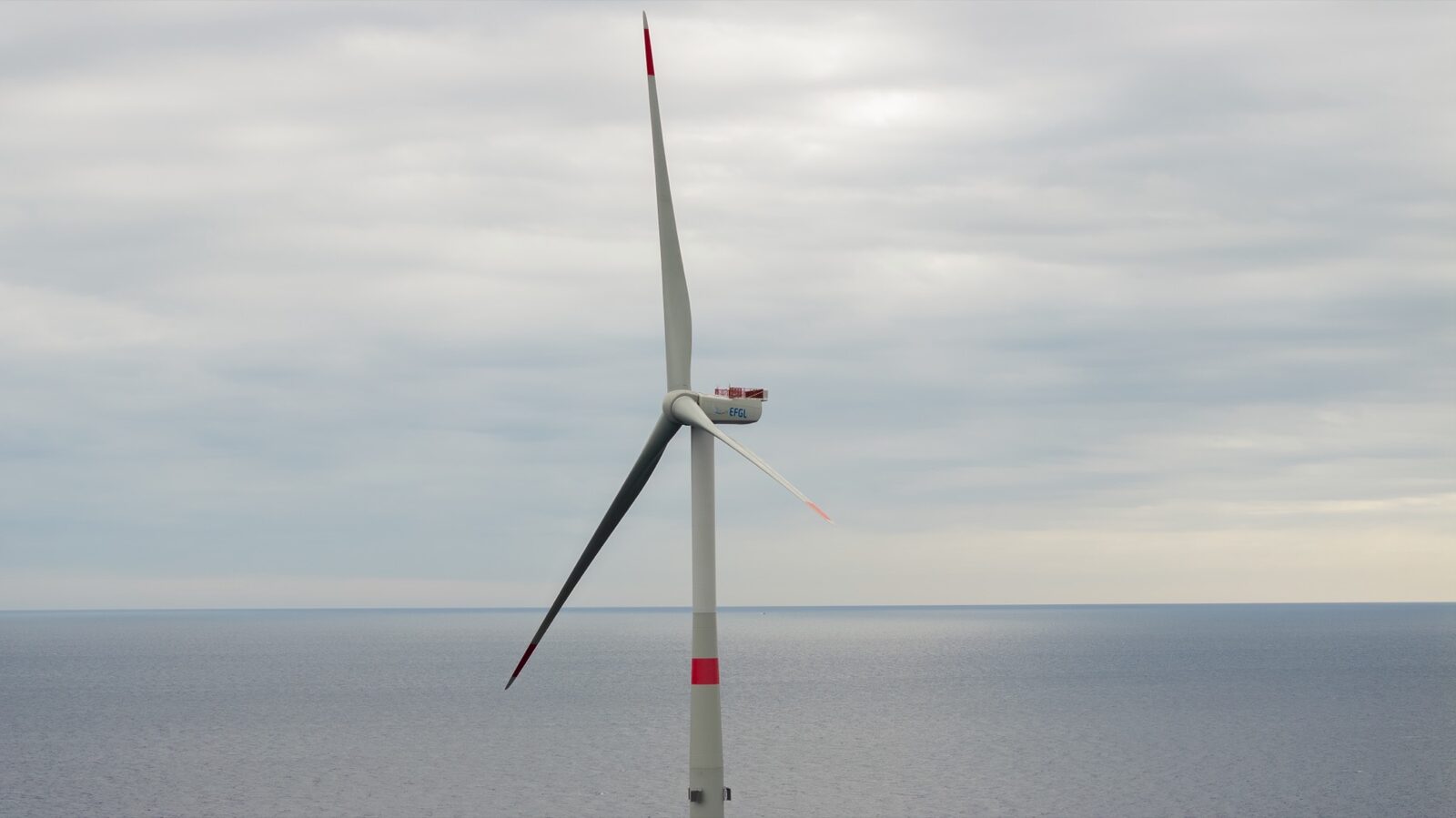
The demonstrator trap
There’s a version of this that feels like progress but isn’t. A pilot project generates a burst of content at launch: the tow-out film, the minister’s visit, the aerial of the first platform on station. Then the cameras go home, and the project quietly does the thing that would actually change minds: it operates.
Months of uptime through winter storms. Maintenance crews transferring in marginal weather and coming home on schedule. Availability numbers that look like fixed-bottom’s. None of it filmed, because operations doesn’t feel like news.
Then, two years later, someone assembles the investment case for the commercial-scale successor, goes looking for evidence that this technology is routine, and finds a drone shot captioned “a historic first”.
We watched the industry’s framing start to shift with Provence Grand Large: the story worth telling stopped being this floats and became this was delivered. Delivery is a duller word and a far more valuable story.
What to film now that pays off at FID
If you’re anywhere in the floating value chain, your 2028 investment materials are being shot - or not shot - right now. The list that matters:
- Operations in bad weather. The crew transfer that happens anyway. The planned maintenance completed inside its window in January. Bankability has a look, and it’s mundane competence in poor conditions.
- The repetition, not the first. Fabrication sequences, serial assembly, the second and third and fourth unit. One platform is a project. A cadence is an industry.
- The people who crossed over. The welder from oil and gas, the SOV crew, the O&M planner. Every career story is supply-chain evidence and community evidence in one shot.
- Grid connection and first export. The least glamorous milestone on the schedule, and the only one a lender’s model actually cares about.
- The interfaces working. Port calls, marshalling, cable pull-ins. The moments where the ecosystem proves it can coordinate - which is what “investable sector” means in practice.
None of this needs to be published today. It needs to be captured today, catalogued, and held. Footage compounds like interest: the archive you build in the demonstrator years is the proof library you draw on at commercial scale. The projects that skipped it will be buying stock footage of somebody else’s turbines.
The question to take back to your team
Pull up your last six months of published content and ask: how much of it says look what’s possible, and how much says look how routine this is becoming?
If the first pile dwarfs the second, your story is aimed at an audience that already said yes. The final stage of the Restate Framework asks where the story is heading - and for floating wind, the winning answer is the least romantic one available. First is a moment. Routine is a market.